Fall Tree Care in Minnetonka: What to Check Before Winter
Once the leaves begin to fall, many tree problems become easier to see. Use this fall tree care checklist to help determine whether your trees are ready for winter and when it is time to call a professional.
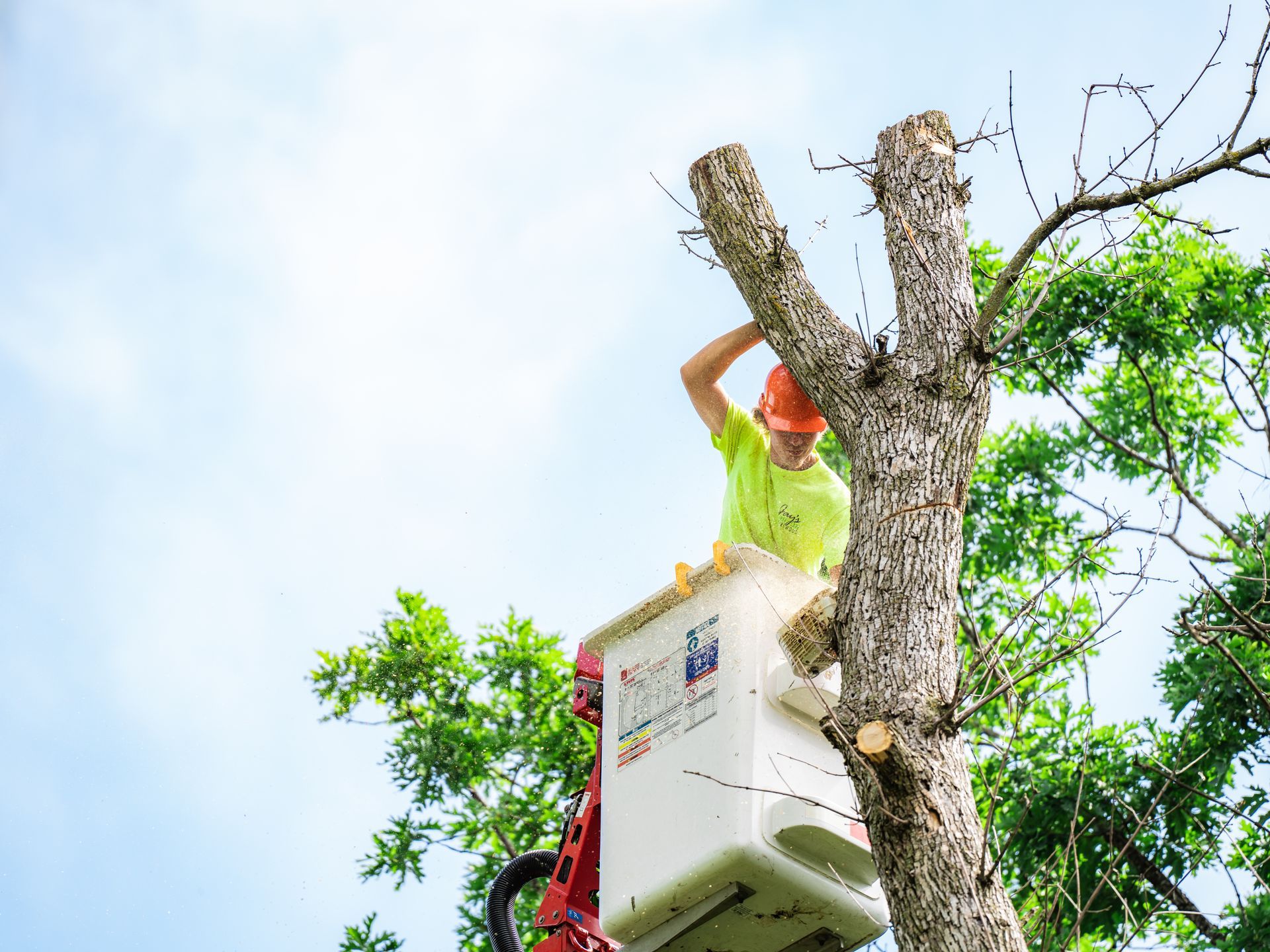
Fall tree care in Minnetonka should include checking for dead or hanging branches, weak tree structure, sudden leaning, trunk damage, root problems, and signs of disease. Addressing these concerns before winter can reduce the risk of falling limbs and property damage caused by heavy snow, ice, and strong Minnesota winds.
Why Is Fall Tree Care Important in Minnetonka?
Fall is an ideal time to inspect trees because the canopy becomes more visible as leaves drop. It also gives homeowners a chance to address potential hazards before winter storms place additional weight and pressure on branches.
Minnetonka trees may face:
- Heavy snow accumulation
- Ice buildup on branches
- Strong winter winds
- Rapid temperature changes
- Frozen or compacted soil
- Damage from deer, rabbits, and rodents
A tree that appears stable during mild weather may become hazardous when snow or ice adds weight to weak, damaged, or dead branches.
1. Are There Dead or Hanging Branches?
Dead and hanging branches should be addressed before winter because snow, ice, and wind can cause them to fall without warning.
Signs of a dead or damaged branch include:
- Missing leaves while nearby branches still have foliage
- Dry, brittle, or peeling bark
- Visible cracks or splits
- Broken branches caught in the canopy
- Branches hanging lower than usual
- Little or no flexible growth near the branch tips
Look closely at branches above your home, garage, driveway, sidewalk, play area, or outdoor gathering space. These branches create a greater safety risk if they fall.
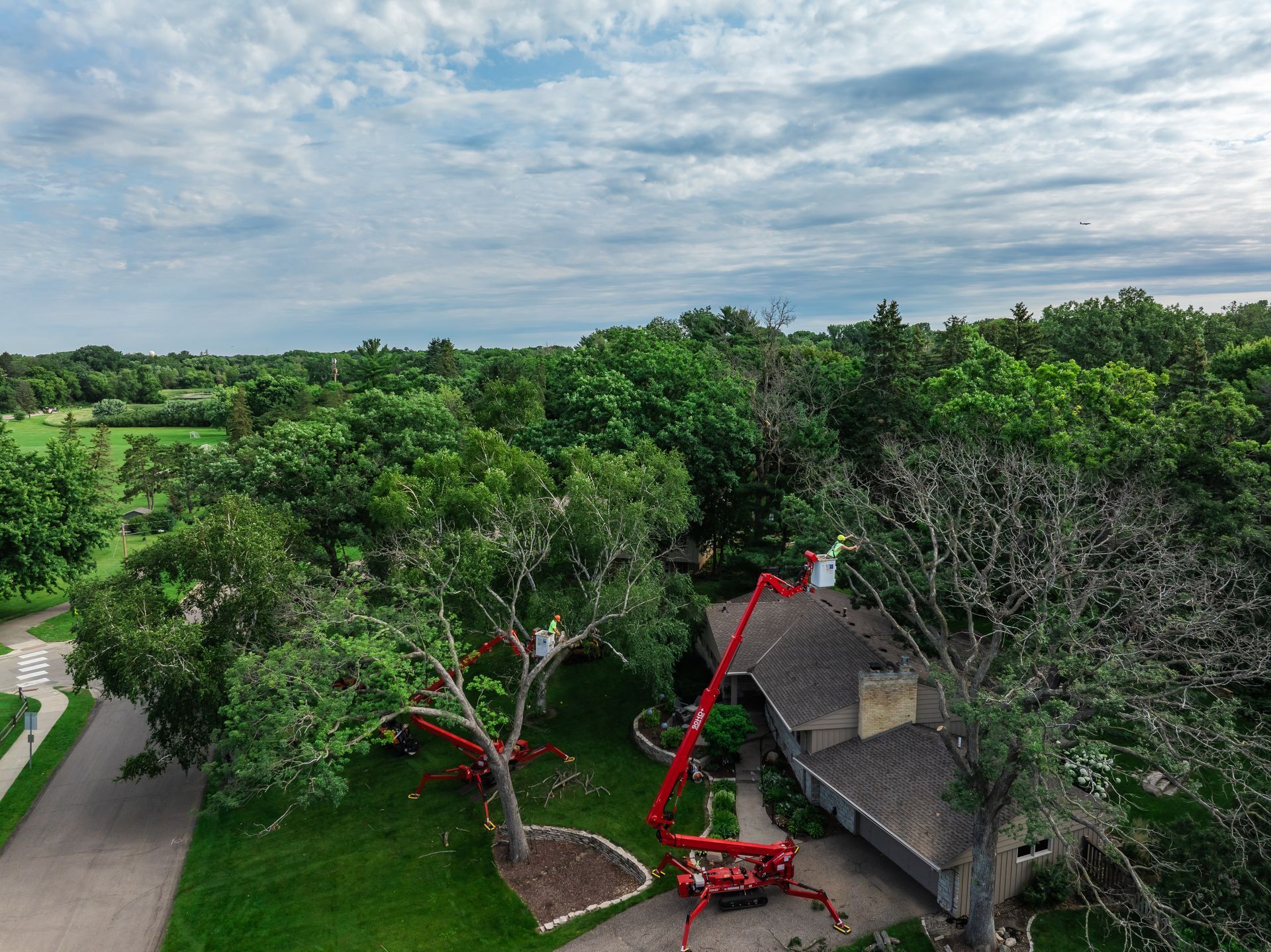
Large or elevated branches should not be removed without the proper training and equipment. Their weight and direction of fall can be difficult to predict.
2. Does the Tree Have a Weak or Unbalanced Structure?
A structurally weak tree may be more likely to lose branches during a Minnesota winter storm.
Step back and look at the entire tree. Check whether the canopy appears balanced or if most of the tree’s weight is concentrated on one side.
Common tree structure concerns include:
- Multiple trunks growing from the same point
- Narrow, V-shaped branch connections
- Crossing or rubbing branches
- Large limbs extending over a home or driveway
- Cracks where major branches connect
- One side of the canopy appearing significantly heavier
- Previously damaged branches with weak regrowth
Professional pruning may reduce excess weight, remove hazardous limbs, and improve the tree’s overall structure. Avoid topping a tree or removing large branches without understanding how the cuts will affect its health and stability.
3. Is the Tree Leaning?
A leaning tree is not always dangerous. Some trees naturally grow at an angle and remain stable for many years. A lean is more concerning when it is new, becoming more noticeable, or accompanied by changes around the trunk or roots.
Warning signs of a potentially unstable leaning tree include:
- Cracked or lifted soil near the base
- Exposed or damaged roots
- A recent change in the tree’s angle
- Cracks in the trunk
- Dead branches throughout the canopy
- Mushrooms or fungal growth near the base
- A lean directed toward a home, driveway, utility line, or neighboring property
If a tree has recently started leaning or the soil around its roots appears disturbed, schedule a professional tree inspection as soon as possible.
4. Are There Cracks, Cavities, or Decay in the Trunk?
Cracks, cavities, loose bark, and decay can weaken a tree’s trunk. Walk around the entire tree and inspect it from several angles.
Look for:
- Deep cracks or splits
- Hollow sections
- Loose or missing bark
- Soft or crumbling wood
- Dark streaks or areas of discoloration
- Old wounds that are not closing
- Mushrooms growing from the trunk or base
- Sawdust-like material that may indicate insect activity
A hollow tree does not always need to be removed. Its safety depends on the location and extent of the decay, the health of the remaining wood, and what could be damaged if the tree or a major limb failed.
A qualified tree care professional can help determine whether the tree should be monitored, pruned, treated, or removed.
5. Are the Roots or Soil Showing Signs of Trouble?
Healthy roots are essential to a tree’s stability. Root damage can make a tree unsafe even when the trunk and canopy still look healthy.
Check the area around the base for:
- Soil lifting or cracking
- Exposed or damaged roots
- Construction or digging near the tree
- Soil compaction from vehicles or equipment
- Standing water
- Decay where the trunk meets the ground
- Fungal growth around the root zone
Avoid cutting large roots or adding deep soil around the trunk. Both can interfere with the tree’s health and stability.
6. Should Fallen Leaves and Branches Be Removed?
Fall cleanup can help reduce disease, pest activity, and winter hazards around your property.
Remove:
- Broken branches and sticks
- Fallen fruit
- Leaves showing signs of disease
- Debris piled against the trunk
- Damaged limbs left after summer storms
Healthy leaves can often be mulched with a mower or added to compost. Leaves with unusual spots, fungal growth, or signs of disease should be removed rather than placed around trees as mulch.
7. Do Trees Need Water Before Winter?
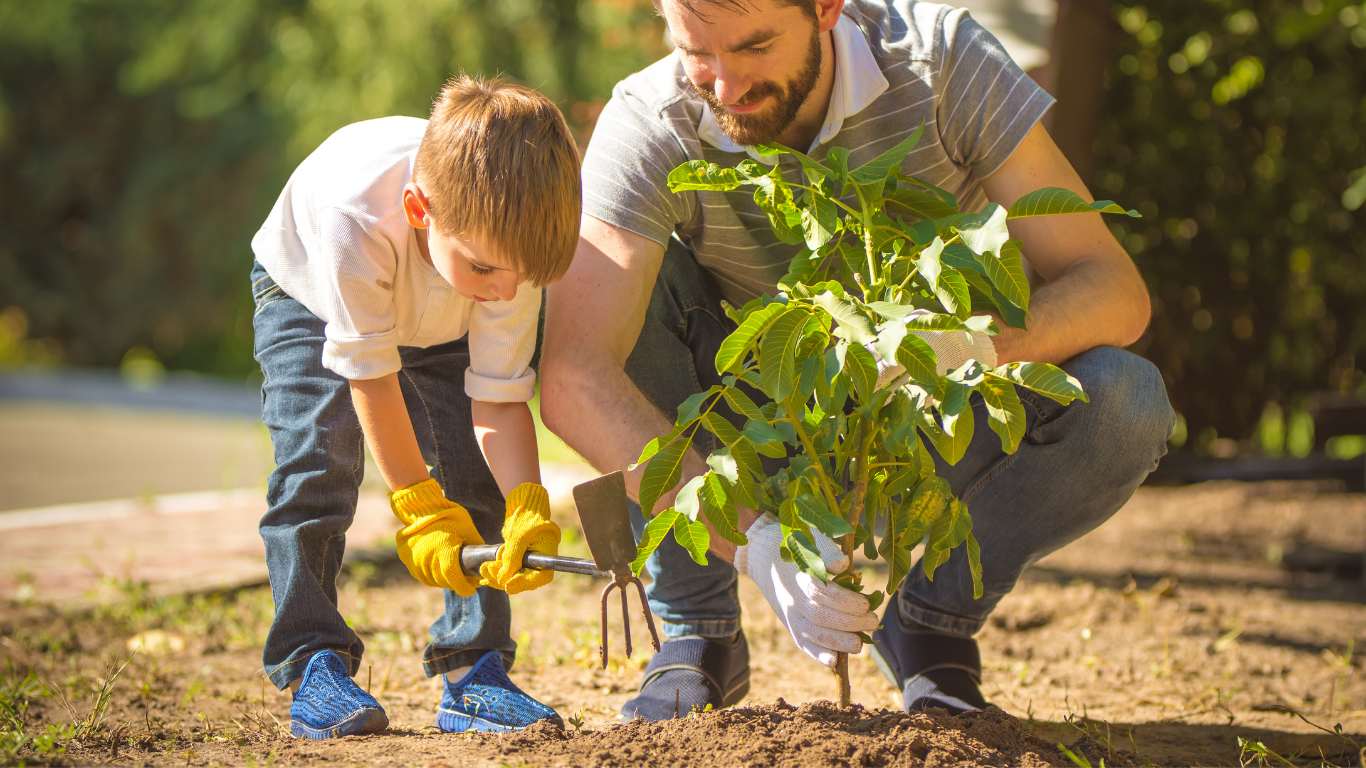
Newly planted and young trees may need supplemental water during a dry Minnesota fall. Adequate moisture before the ground freezes can help reduce winter stress.
Water slowly and deeply around the root zone rather than directly against the trunk. Continue watering when conditions are dry until the ground freezes.
Established trees may also benefit from fall watering during extended dry periods.
8. Should You Mulch Trees in the Fall?
Yes, a properly applied layer of mulch can help protect tree roots, retain soil moisture, and moderate temperature changes.
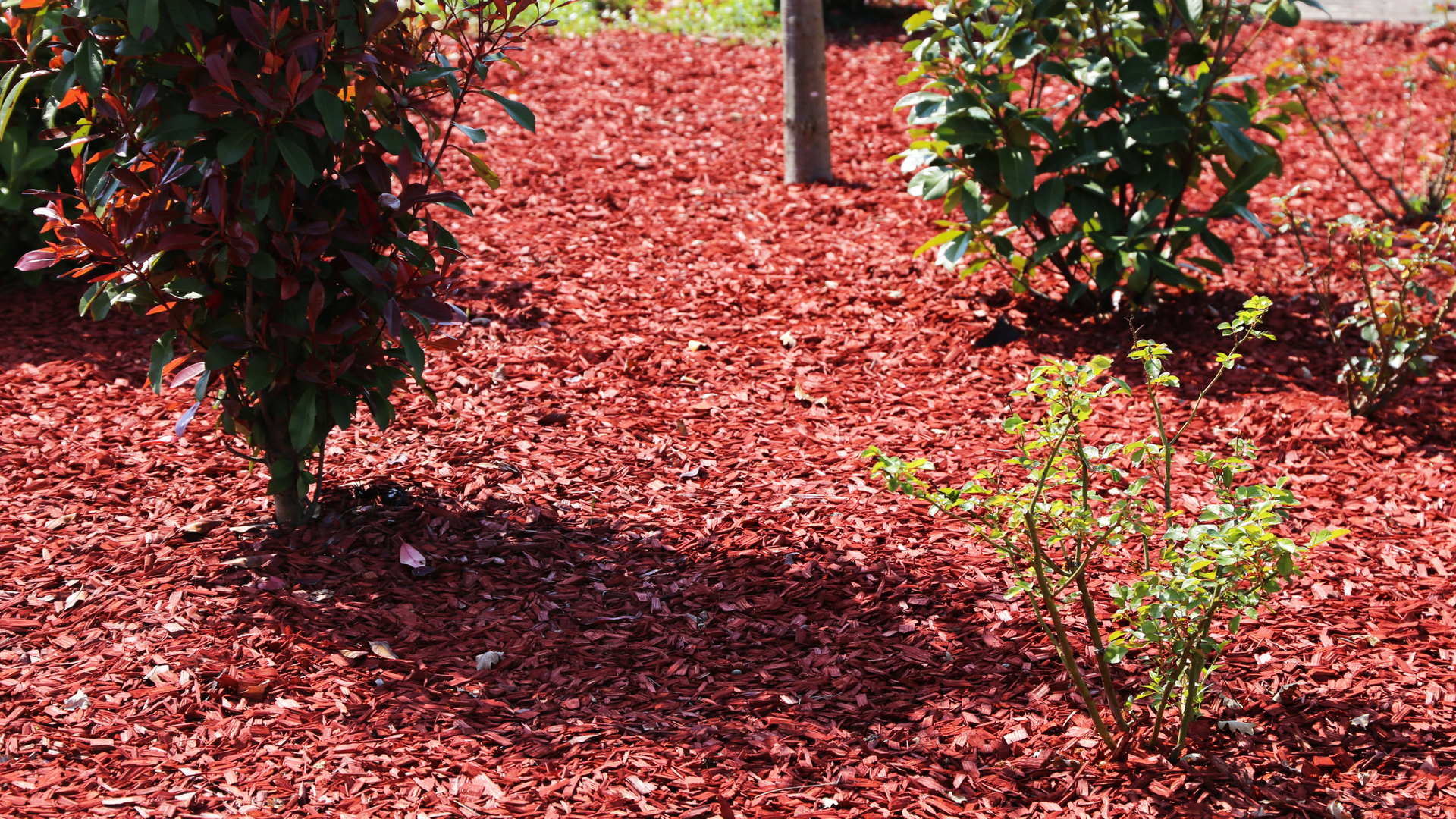
Apply mulch in a wide, shallow ring around the tree. Keep it several inches away from the trunk.
Do not pile mulch against the bark in a “mulch volcano.” Excess mulch around the trunk can trap moisture, encourage decay, and create shelter for rodents.
When Should You Call an Arborist or Tree Care Professional?
Call a professional when a tree presents a possible safety risk or the problem cannot be evaluated safely from the ground.
Schedule a tree inspection if you notice:
- Large dead or hanging branches
- A tree that recently started leaning
- Cracks in the trunk or major limbs
- Damaged or lifting roots
- Decay near the trunk or base
- Branches threatening a roof, driveway, or utility line
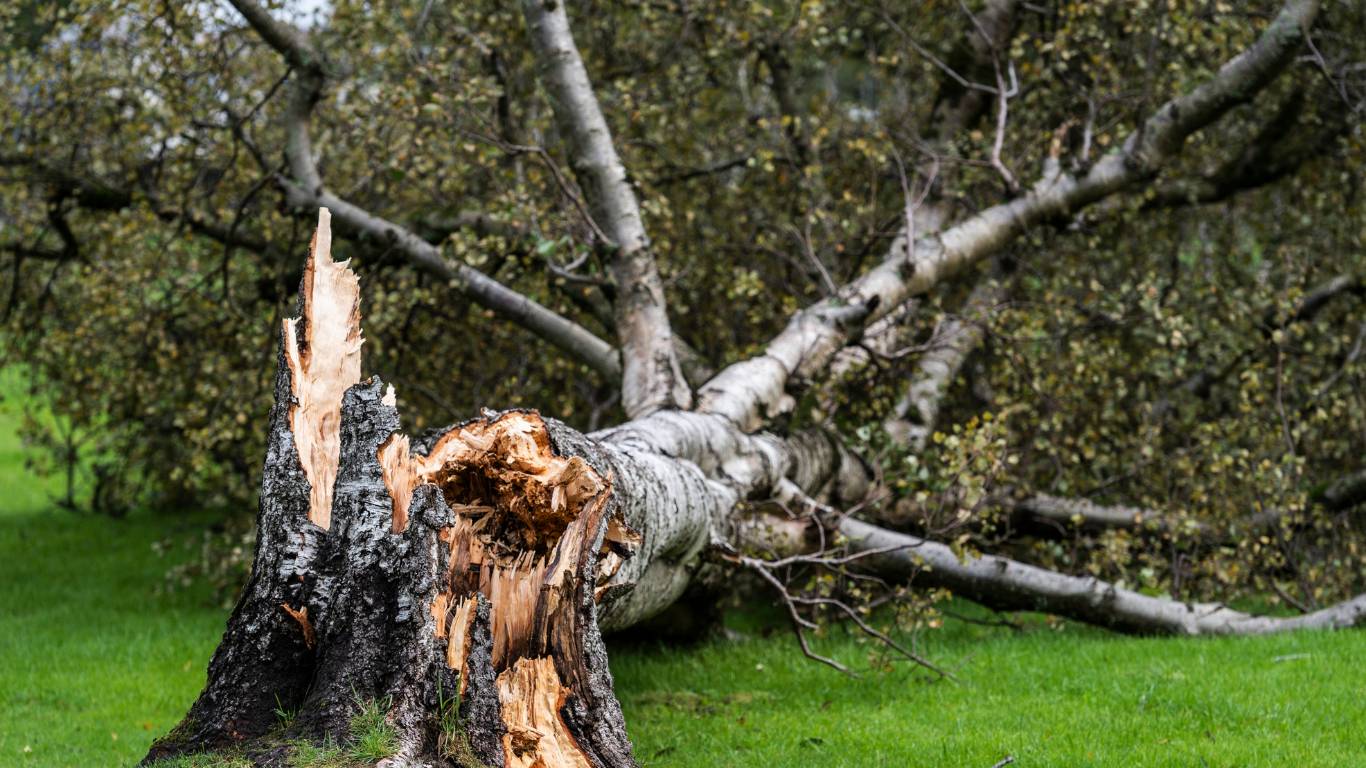
- Significant storm damage
- A tree that appears unstable
- Uncertainty about whether a tree can withstand winter
Never climb a damaged tree, use a chainsaw from a ladder, or attempt tree work near power lines. Contact the utility company if a tree or branch is touching an electrical line.
Does a Damaged Tree Always Need to Be Removed?
No. A damaged tree does not always need to be removed. Depending on its condition, professional pruning, weight reduction, monitoring, or other corrective care may help preserve it.
Tree removal may be recommended when the trunk, roots, or primary structure can no longer support the tree safely. The safest approach is to have the tree evaluated before deciding what work is necessary.
FALL TREE CARE FAQ'S
- When is the best time to trim trees in Minnetonka?
The best pruning time depends on the tree species, its condition, and the reason for pruning. Dead, broken, or hazardous branches can often be removed when they are identified. Many routine pruning projects are completed during dormancy, but a professional should evaluate the tree before major limbs are removed.
- How can I tell if a tree branch is dead?
Dead branches may have missing leaves, brittle wood, peeling bark, cracks, or no healthy buds. They may also sound hollow or break easily. Do not pull, cut, or stand beneath a large branch that appears loose or unstable.
- Is a leaning tree an emergency?
A long-standing lean may not be an emergency. A tree that suddenly begins leaning, has lifted soil, damaged roots, or visible trunk cracks should be evaluated promptly.
- Should leaves be removed from around trees before winter?
Healthy leaves can often be mulched or composted. Leaves showing signs of disease should be removed to reduce the chance of the problem returning during the next growing season.
- Can heavy snow damage healthy trees?
Yes. Wet, heavy snow can bend or break branches, especially on trees with weak branch connections, previous damage, or unbalanced growth. A fall inspection can help identify vulnerable branches before winter weather arrives.
Schedule Fall Tree Care in Minnetonka, MN
A fall tree inspection can help you identify weak branches, structural problems, and other safety concerns before Minnesota winter weather arrives.
Jay’s Tree Care provides professional tree trimming, tree removal, and tree care services in Minnetonka and throughout the West Metro. If you are concerned about a dead branch, leaning tree, storm damage, or the overall safety of a tree on your property, contact Jay’s Tree Care to schedule an evaluation.
Taking care of potential problems now can help protect your trees, home, and property throughout the winter.